
Stepped or widening structural-type cracking
Further investigationWhat you may see: Cracks through masonry following mortar joints, or openings that appear active.
Risk: May indicate movement — sometimes needs engineering advice.
Building guide
External walls take weather, movement, and ground moisture. Cracking patterns and damp clues tell an important story before you buy.
Not every crack is structural — but some are. Understanding patterns, damp courses, and cladding condition helps you budget repairs and avoid surprises.
Rated the way we discuss findings in reports — Major, Minor, Safety, or Further investigation.
What you may see: Cracks through masonry following mortar joints, or openings that appear active.
Risk: May indicate movement — sometimes needs engineering advice.
What you may see: Tide marks, salt, blistering paint, soft render near ground level.
Risk: Timber decay inside, health/comfort issues, costly remediation.
What you may see: Soil or paving above DPC level; render bridging.
Risk: Moisture path into the wall system.
What you may see: Drummy render, open junctions, blocked weeps.
Risk: Water trapping and finish failure.
What you may see: Patches that don’t match, filled cracks reopening.
Risk: May mask underlying movement or damp.
What “good” tends to look like for this area.
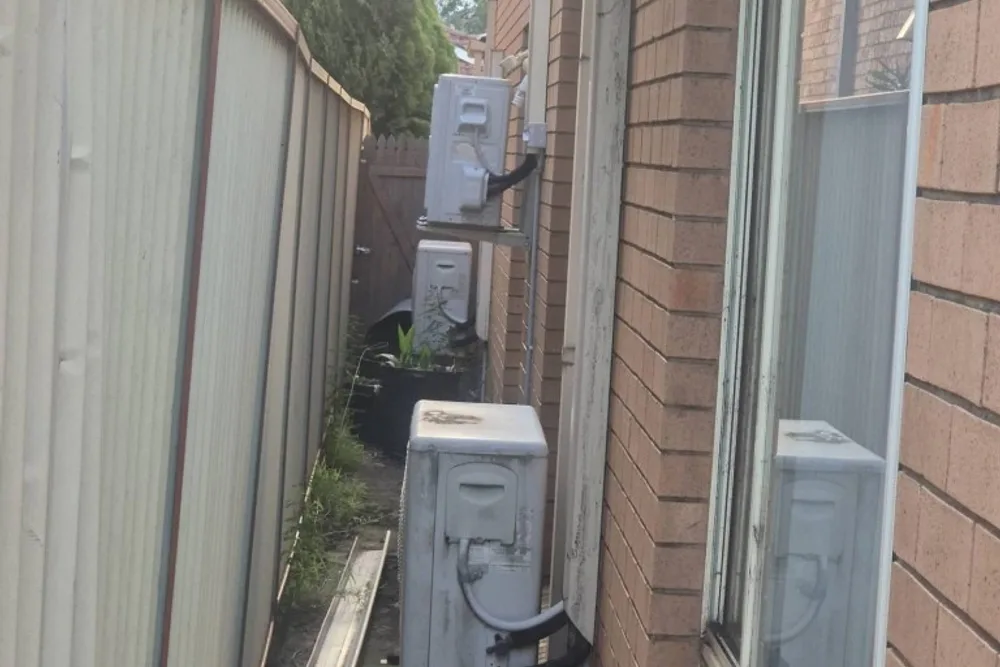
Side setback — brick wall, services, drainage path, and stored debris
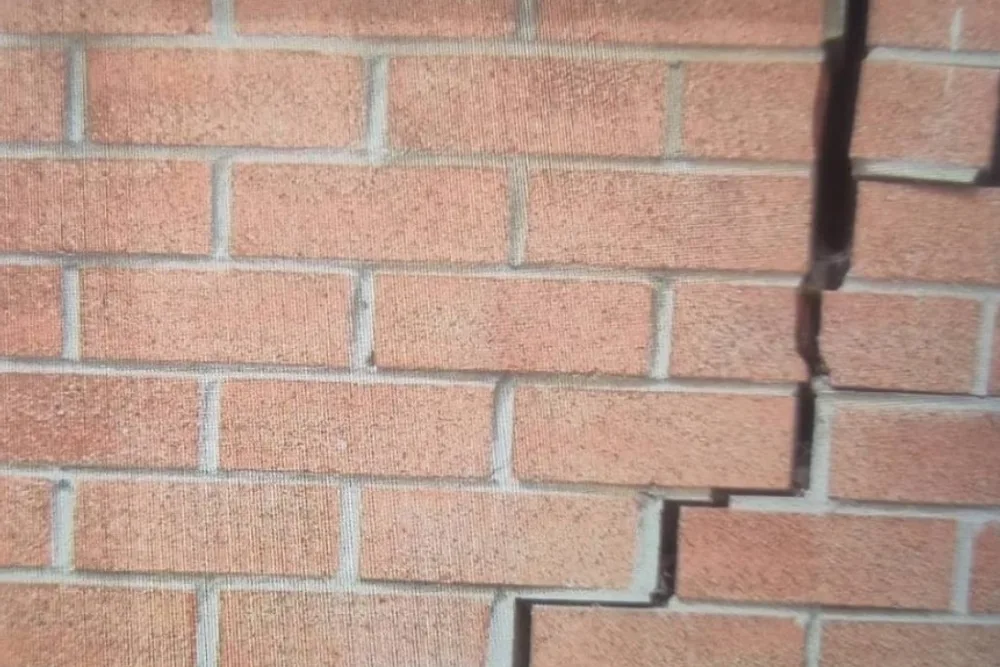
Stepped masonry crack — movement patterns inspectors measure and report
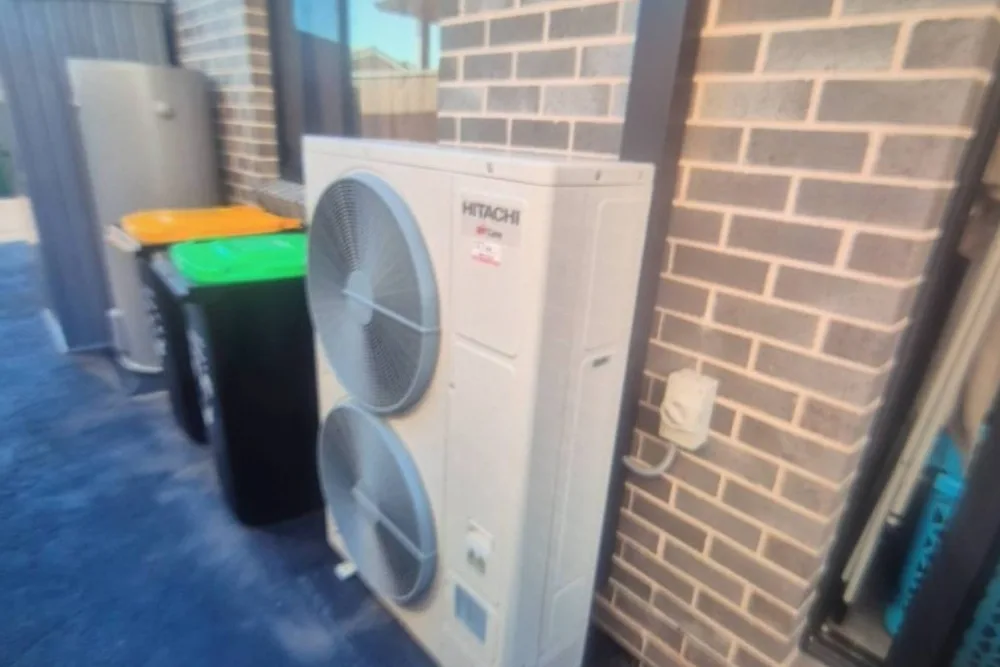
External brickwork with outdoor unit and ground clearance at the wall
Often they are minor shrinkage or settlement. We rate significance and explain when further investigation is wise.