Timber–soil contact or bridged ant caps
MajorWhat you may see: Timber touching soil; garden beds or formwork bridging protective details.
Risk: Direct or easy pathways for subterranean termites into framing.
Termites & timber pests
Suspended timber floors create a dark, often damp void that is ground zero for subterranean termites — and for the moisture conditions that invite them.
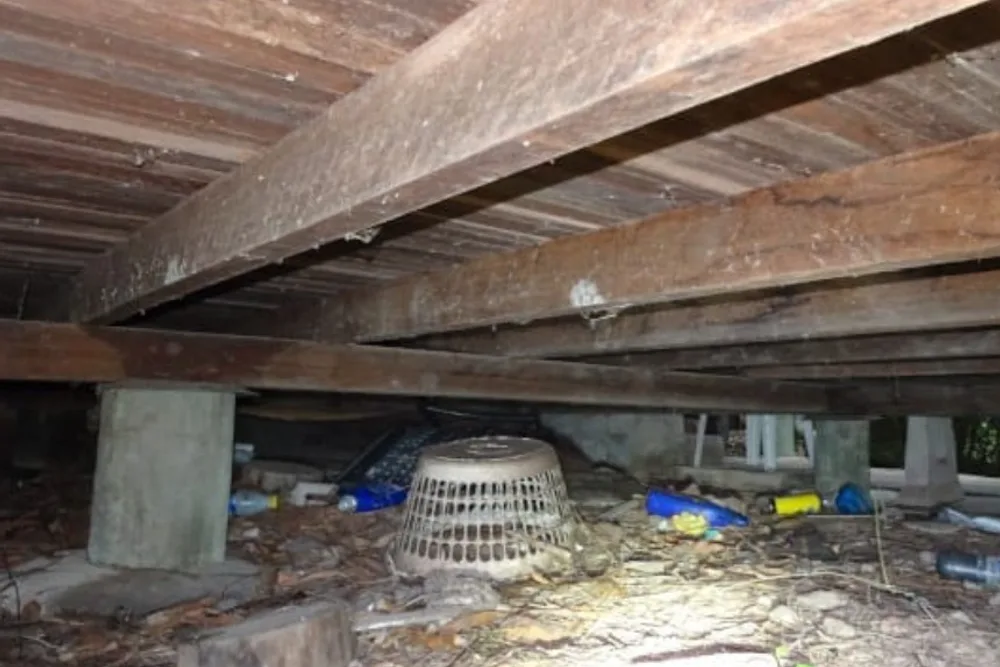
Ant caps, pier clearances, drainage, vents, and timber stored under the house decide how easy it is for termites to reach framing. Buyers who skip a proper subfloor look take on risk they cannot see from the living room.
Expert inspection is how buyers and owners catch timber pest risk while they still have options.
Rated the way we discuss findings in reports — Major, Minor, Safety, or Further investigation.
What you may see: Timber touching soil; garden beds or formwork bridging protective details.
Risk: Direct or easy pathways for subterranean termites into framing.
What you may see: Musty air, wet soil, blocked vents, staining on timber or piers.
Risk: Conditions that favour both decay fungi and timber pests.
What you may see: Old timber, cardboard, packing, or rubbish against piers and bearers.
Risk: Harbour for pests and retained moisture.
What you may see: Missing hatch, sealed void, or unsafe entry.
Risk: Major limitation — activity may be present but not inspectable.
What lower-risk conditions tend to look like.
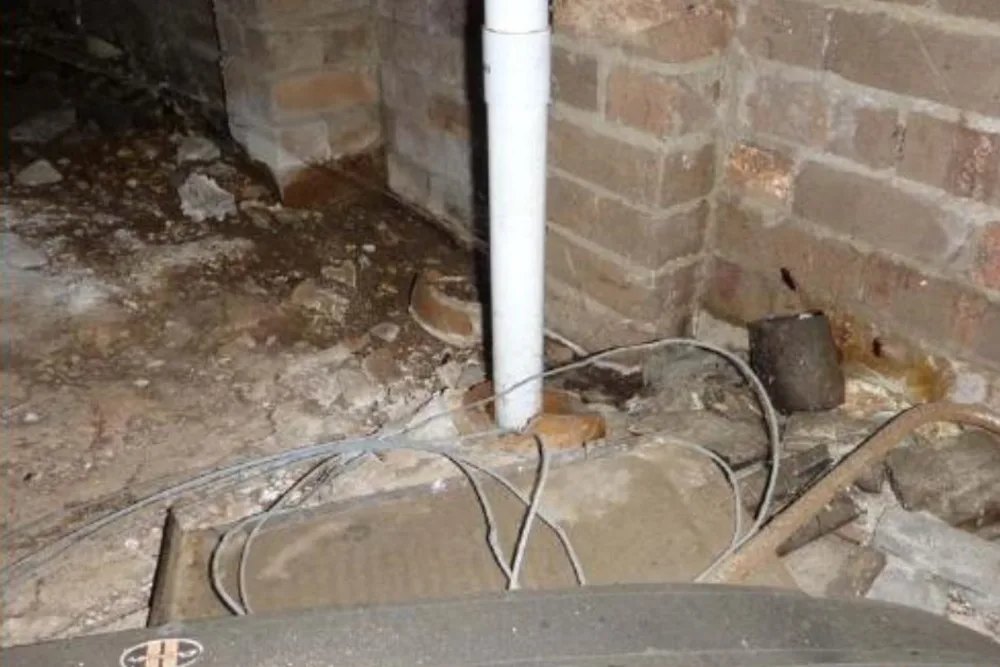
Brick piers and plumbing — classic inspection paths for tubes and bridging
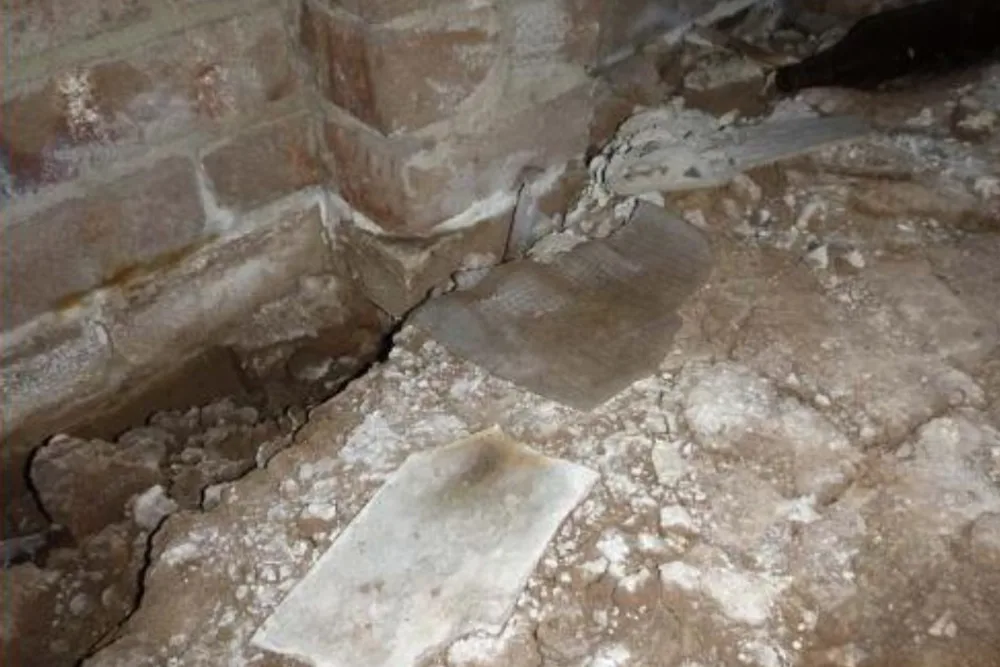
Debris on dirt ground — harbour and moisture against the structure
Joists on stumps with rubbish in the void — conducive conditions
We identify evidence and conducive conditions during inspection. Chemical treatment and baiting are separate licensed pest management services.