
Termites
Termite inspection knowledge hub
How termites damage homes, where they hide, and what a thorough inspection looks for.
Request Inspection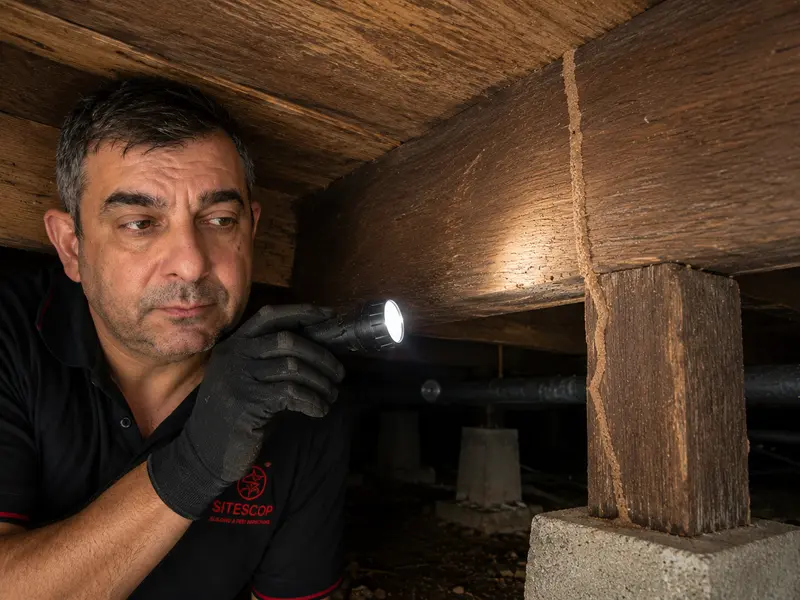
How damage happens
Termites feed on cellulose in timber quietly, often from the ground up. By the time you see surface clues, framing, floors, or joinery may already be compromised.
Read guide →
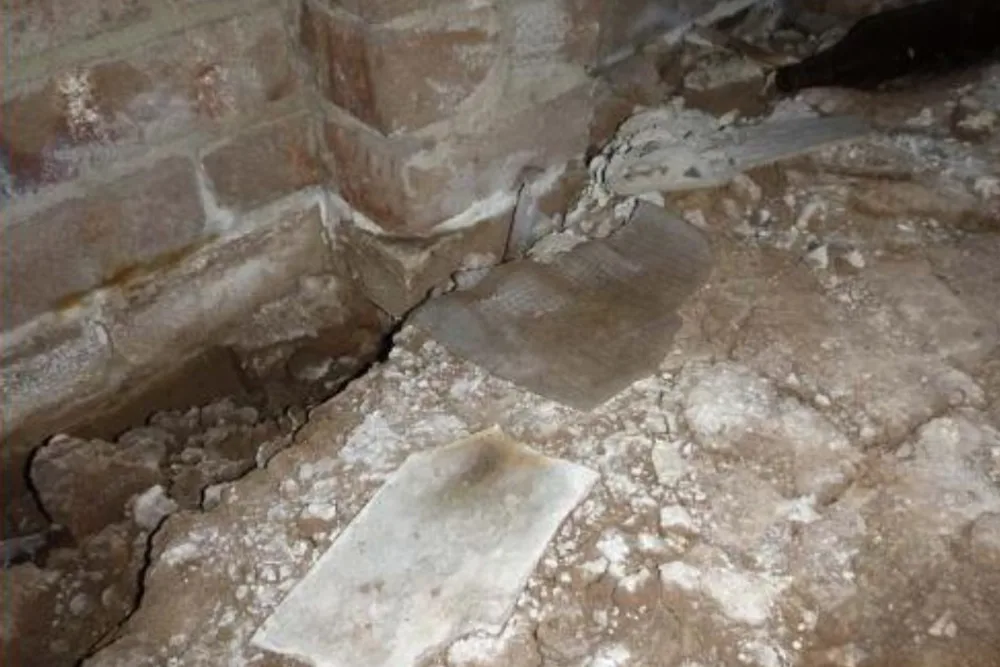
Signs to watch for
Mud tubes, hollow-sounding timber, blistering paint, discarded wings, and unexplained timber damage are classic clues — but many infestations stay hidden until an inspector looks properly.
Read guide →
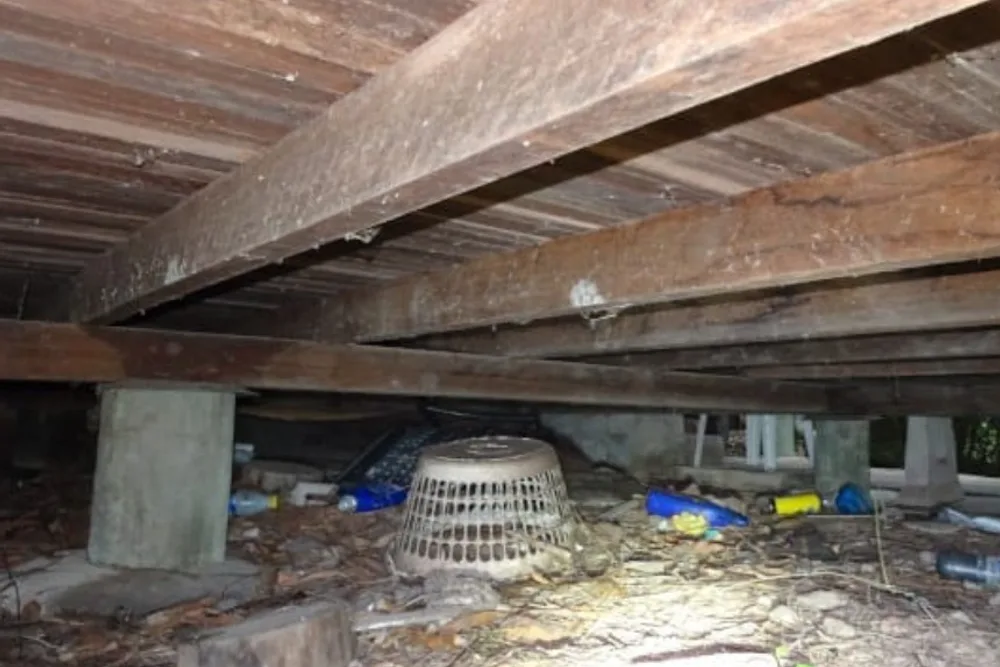
Subfloor risk
Suspended timber floors create a dark, often damp void that is ground zero for subterranean termites — and for the moisture conditions that invite them.
Read guide →
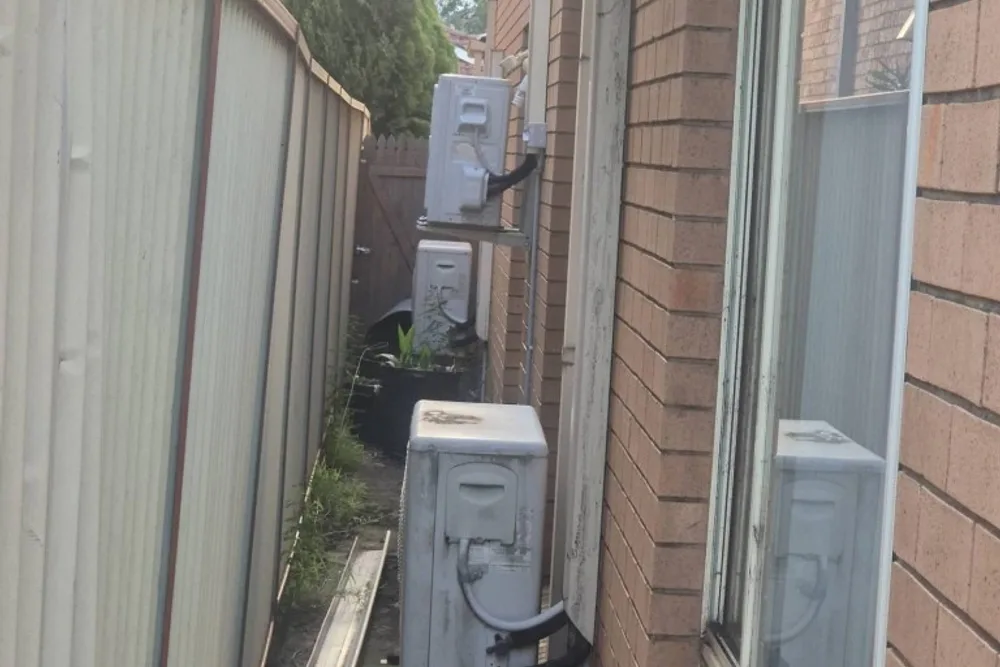
Walls & framing
Termites can travel inside wall cavities and along framing with little surface evidence until paint blisters, skirtings soften, or doors stick for no obvious reason.
Read guide →
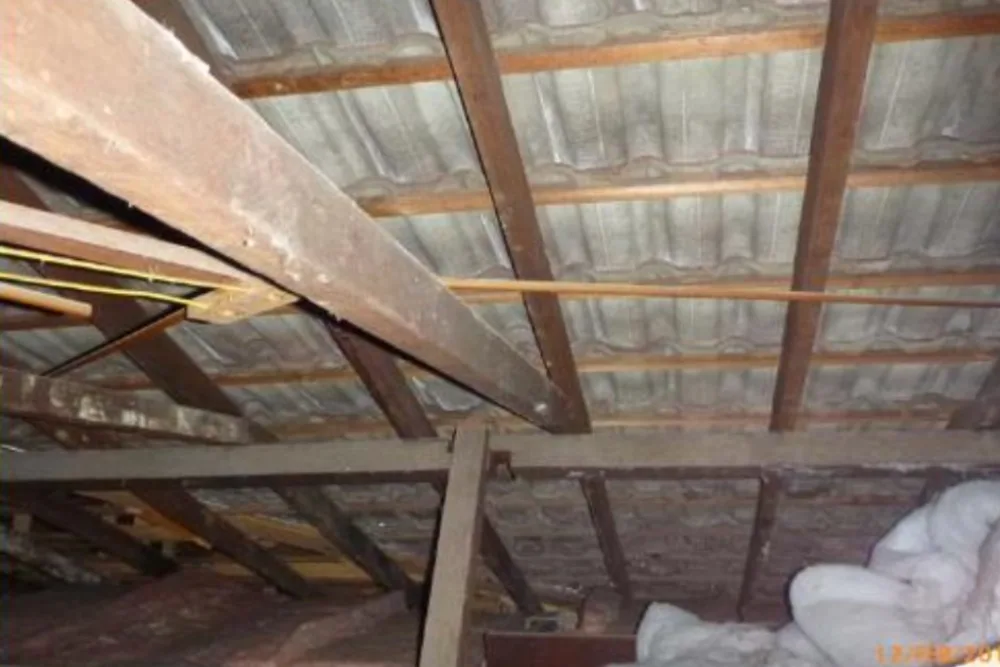
Roof & timber
Roof voids and upper-level timber can host termite and borer activity, especially where moisture from leaks softens timber and creates conducive conditions.
Read guide →
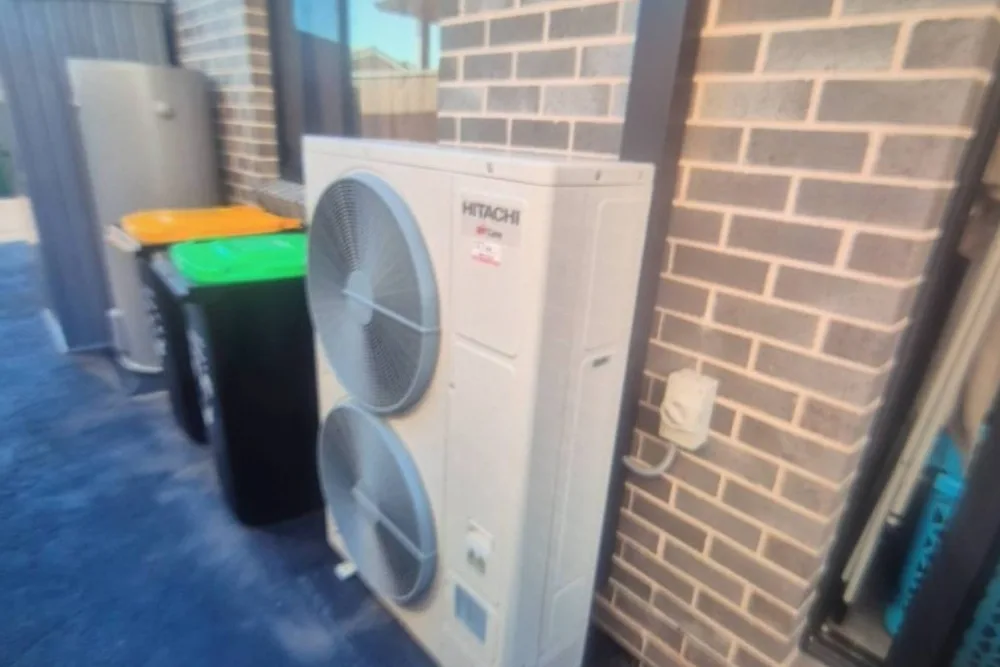
Reduce your risk
You cannot make a house risk-free forever — but drainage, landscaping, timber–soil separation, moisture control, and scheduled inspections dramatically reduce the odds of surprise damage.
Read guide →
How we inspect
Expert inspectors combine systematic visual survey, sounding, moisture assessment, thermal imaging where useful, and clear reporting of access limits — typically within a thorough on-site visit and a 24-hour report turnaround.
Read guide →
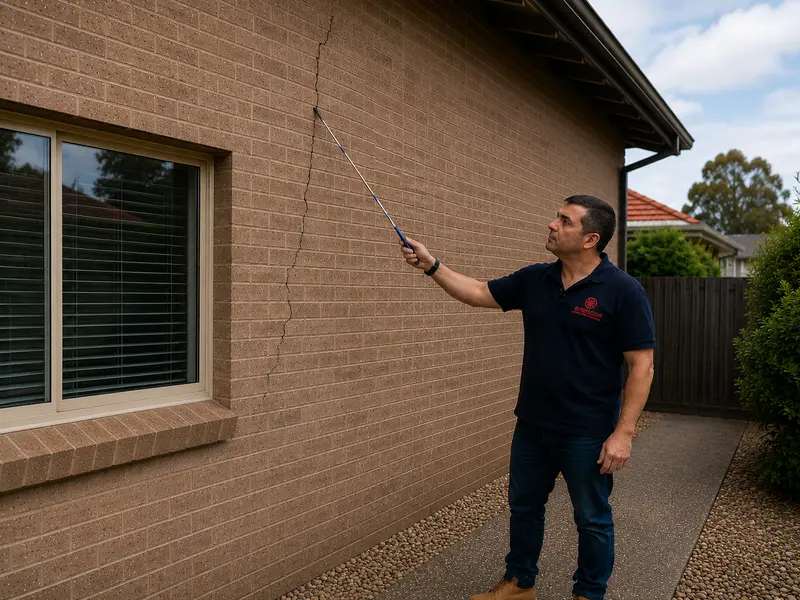
After inspection
If activity or high risk is found, the report becomes your action plan: negotiate, remediate with licensed specialists, fix conducive conditions, and re-inspect when advised.
Read guide →