
Moisture staining or mould on wall surfaces
MajorWhat you may see: Discolouration, peeling finishes, musty odour.
Risk: Hidden leaks, health concerns, finish replacement.
Building guide
Inside the home, walls show moisture, movement, previous repairs, and finishing quality that affect both safety and future cost.
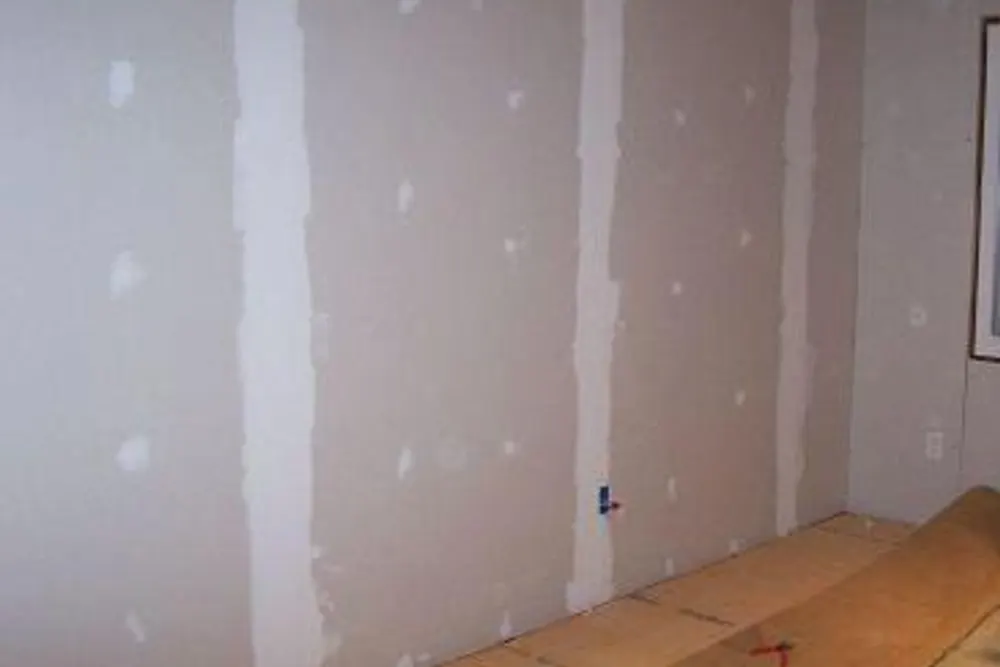
Cosmetic cracks are common — but staining, soft plaster, and recurring openings can signal leaks or movement you should understand before exchange.
Rated the way we discuss findings in reports — Major, Minor, Safety, or Further investigation.
What you may see: Discolouration, peeling finishes, musty odour.
Risk: Hidden leaks, health concerns, finish replacement.
What you may see: Reopening cracks above doors/windows, tapered gaps.
Risk: May relate to footing or framing movement.
What you may see: Hollow patches, mismatched texture.
Risk: Usually cosmetic, but can hide prior issues.
What you may see: Unstable shelves, protruding hazards.
Risk: Injury risk in day-to-day use.
What “good” tends to look like for this area.
Interior plasterboard / drywall — lining condition before paint and trim
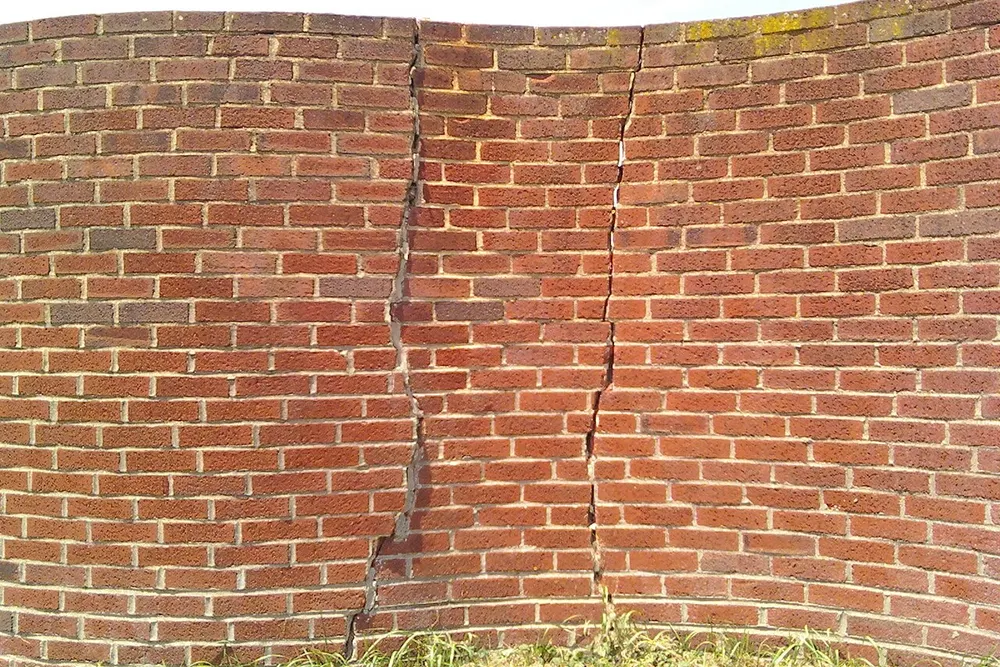
Cracking through wall finishes — can signal movement behind the lining
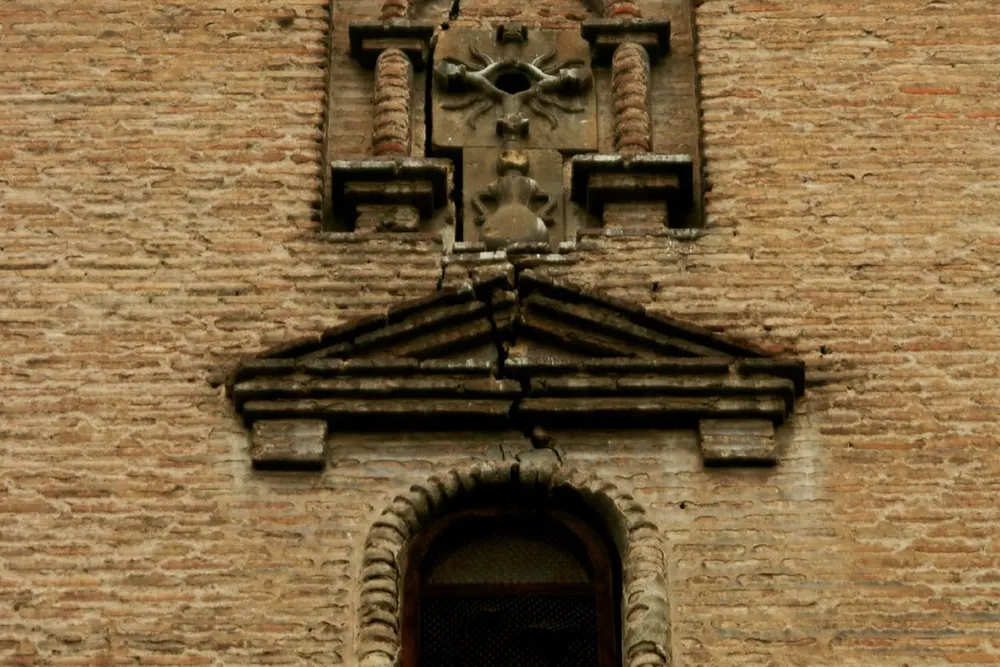
Close-up wall crack — size, location, and pattern are recorded in the report
No. Pre-purchase inspections are typically non-invasive. We report what is visible and recommend invasive investigation only when justified.