
Lifted, cracked, or corroded roof covering
MajorWhat you may see: Broken tiles, rusted sheets, displaced capping.
Risk: Water entry and accelerated roof failure.
Building guide
Coverings, flashings, valleys, and gutters control how water leaves your home. Failures here drive most ceiling and wall moisture problems.
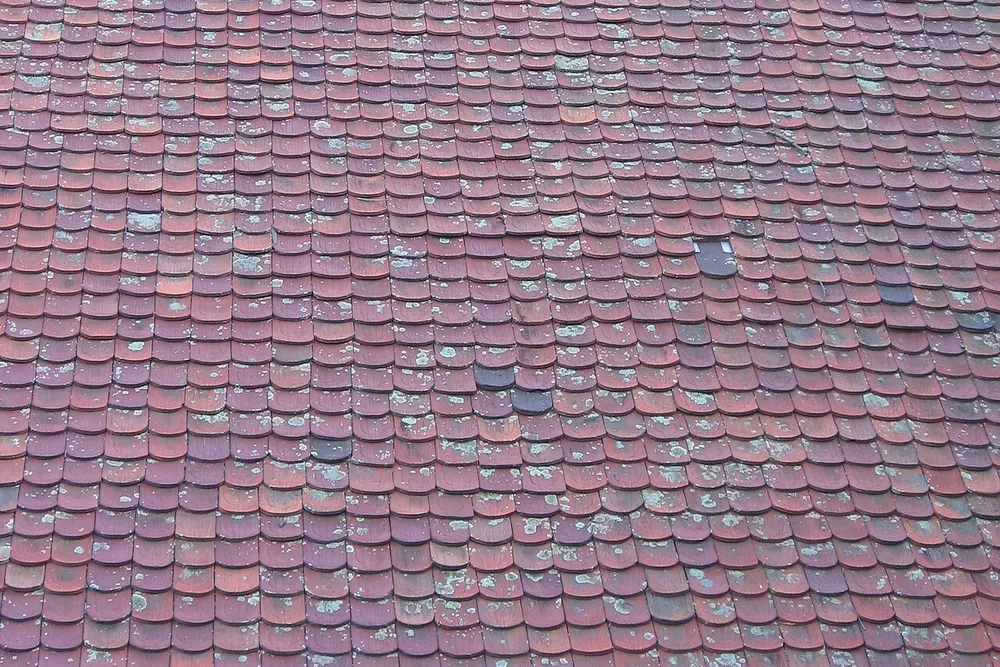
A tidy interior can hide a tired roof. Flashings, valleys, and gutters fail quietly until the next storm exposes them.
Rated the way we discuss findings in reports — Major, Minor, Safety, or Further investigation.
What you may see: Broken tiles, rusted sheets, displaced capping.
Risk: Water entry and accelerated roof failure.
What you may see: Gaps at chimneys, skylights, abutments, or walls.
Risk: Concentrated leaks into the roof space and ceilings.
What you may see: Overflow stains, rust holes, disconnected downpipes.
Risk: Wall damp, foundation moisture, and site erosion.
What you may see: Organic matter in gutters and valleys.
Risk: Overflow and corrosion if not maintained.
What you may see: Steep pitch, brittle covering, no safe vantage.
Risk: Inspection may be limited to ground / ladder / vantage views — disclosed in the report.
What “good” tends to look like for this area.
Roof covering close-up — tiles, weathering, and surface condition
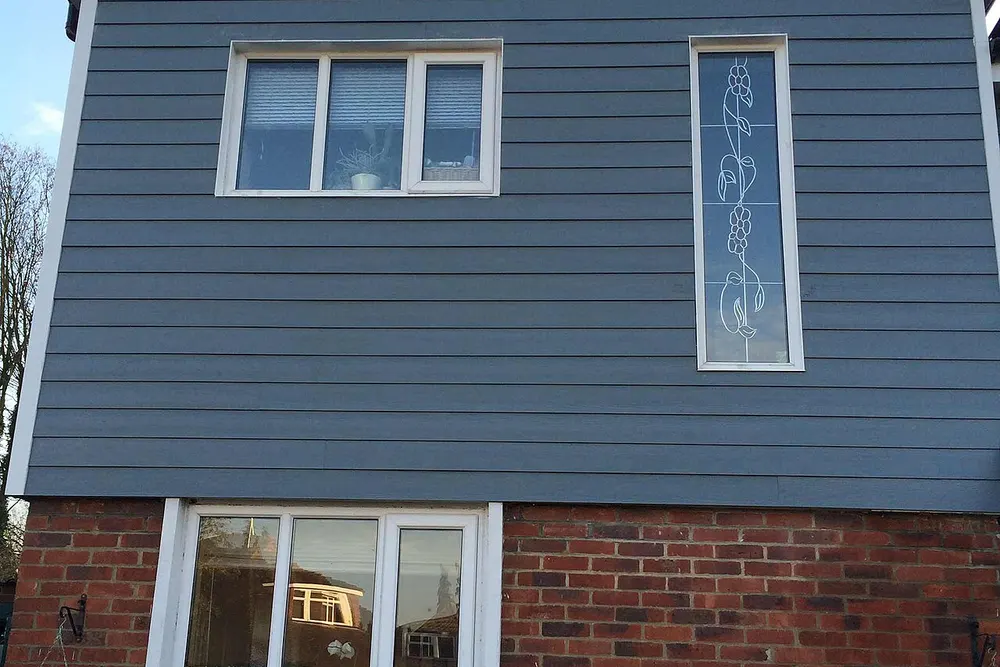
Roof edge, fascia, and gutters — common leak and overflow points
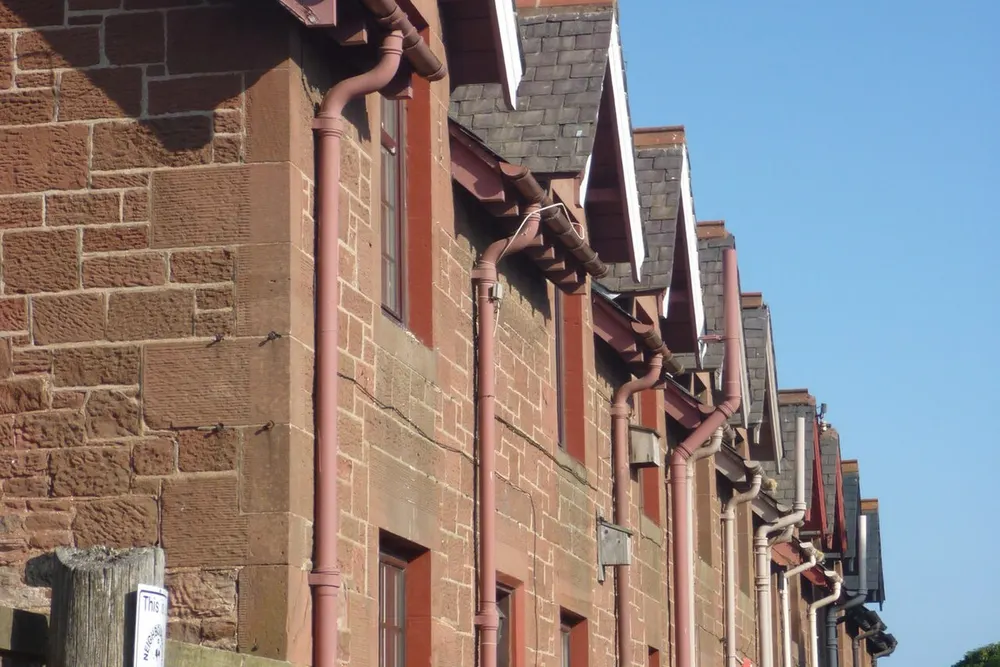
Downpipes and guttering — stormwater must clear away from the building
Only when safe and appropriate. Many assessments are from safe vantage points. Limitations are always stated.