
Signs of failed waterproofing
MajorWhat you may see: Soft substrate, staining to rooms below, efflorescence, mould at base of walls.
Risk: Major rectification of membranes and finishes.
Building guide
Bathrooms, laundries, and kitchens concentrate water. Failed waterproofing and sealing are among the most expensive post-purchase repairs.
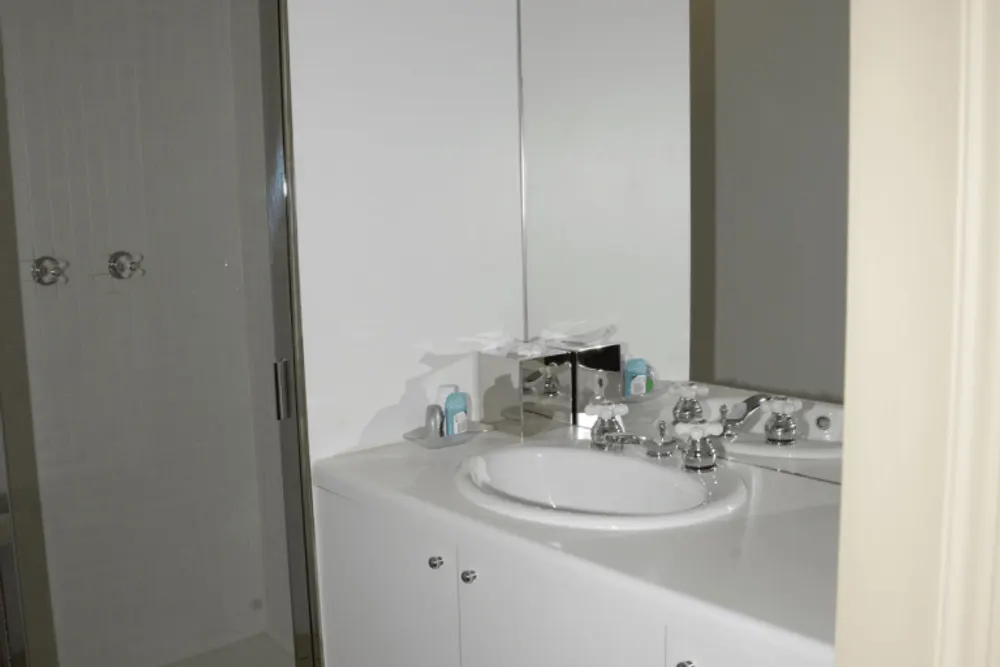
Soft floors, musty cabinets, and stained ceilings below bathrooms often mean waterproofing has failed. Catching clues early protects your negotiation position.
Rated the way we discuss findings in reports — Major, Minor, Safety, or Further investigation.
What you may see: Soft substrate, staining to rooms below, efflorescence, mould at base of walls.
Risk: Major rectification of membranes and finishes.
What you may see: Cracked silicone, gaps at vanities and baths.
Risk: Water tracking into walls and floors if not maintained.
What you may see: Water sitting on floors after use.
Risk: Accelerates membrane and finish failure.
What you may see: Surface mould, inadequate exhaust.
Risk: Indoor air quality and ongoing moisture.
What “good” tends to look like for this area.
Bathroom wet area — shower enclosure, tiling, and vanity junctions
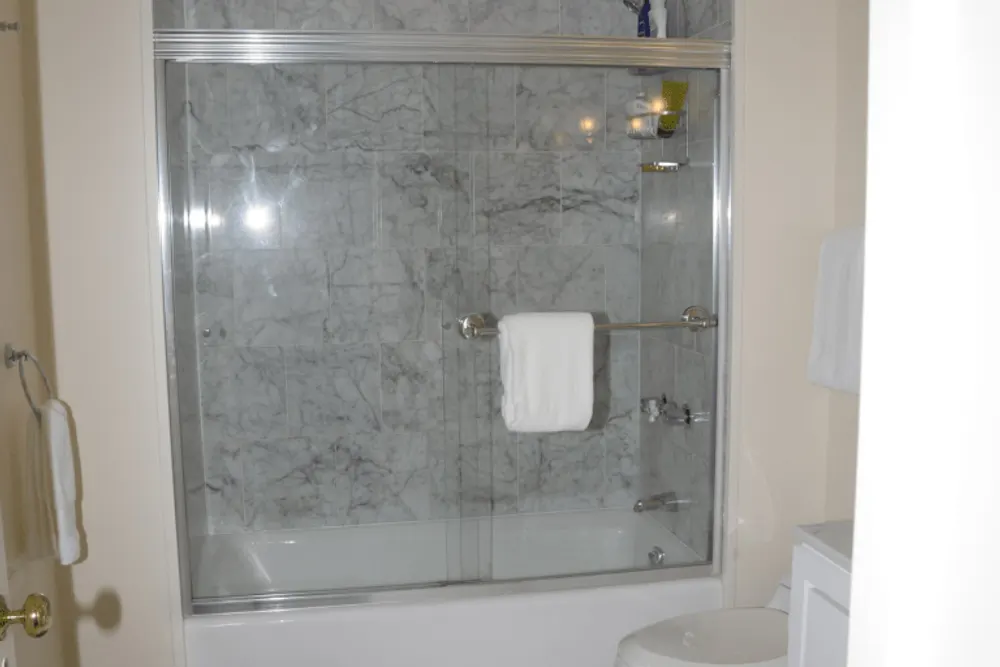
Tiled wet room — floors, walls, and fixture seals are moisture risk points
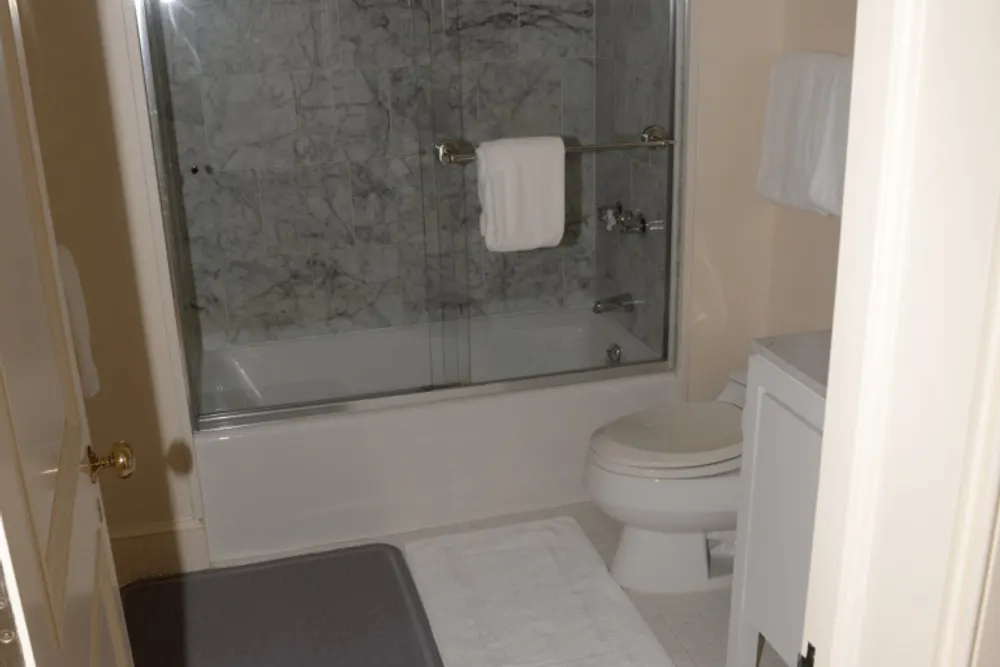
Shower recess tiling — falls, grout, and waterproofing clues matter
Standard visual inspections do not usually include invasive flood testing. We report visual indicators and recommend specialists when needed.