
Garden beds and soil against walls
MajorWhat you may see: Soil, mulch, or paving bridging the damp course.
Risk: Moisture and pest pathways into the wall base.
Termites & timber pests
You cannot make a house risk-free forever — but drainage, landscaping, timber–soil separation, moisture control, and scheduled inspections dramatically reduce the odds of surprise damage.
Most “saves” happen before infestation: fixing bridging, clearing subfloor debris, fixing leaks, and inspecting on a sensible schedule. Education here is about protection — not selling chemicals beyond your licensed pest controller’s role.
Expert inspection is how buyers and owners catch timber pest risk while they still have options.
Rated the way we discuss findings in reports — Major, Minor, Safety, or Further investigation.
What you may see: Soil, mulch, or paving bridging the damp course.
Risk: Moisture and pest pathways into the wall base.
What you may see: Stains, soft floors, damp insulation.
Risk: Ongoing moisture supports decay and pest-conducive conditions.
What you may see: No recent timber pest report on a high-risk property type.
Risk: Problems can advance unnoticed between ownership changes.
What you may see: Firewood, offcuts, or formwork against structure.
Risk: Easy harbour next to framing.
What lower-risk conditions tend to look like.
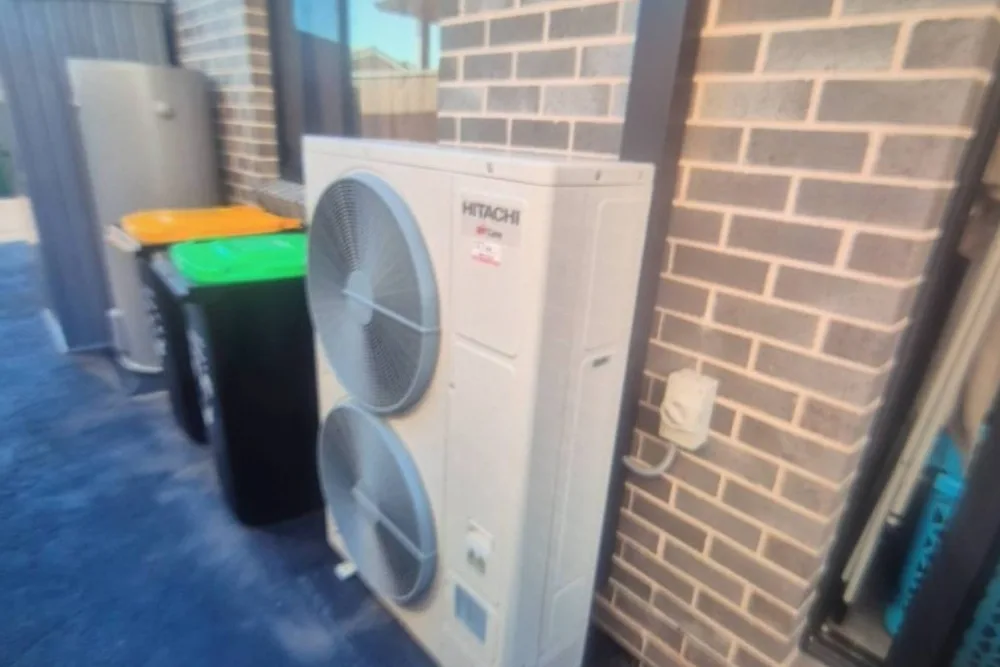
Keep clearances at walls and outdoor equipment — reduce bridging risk
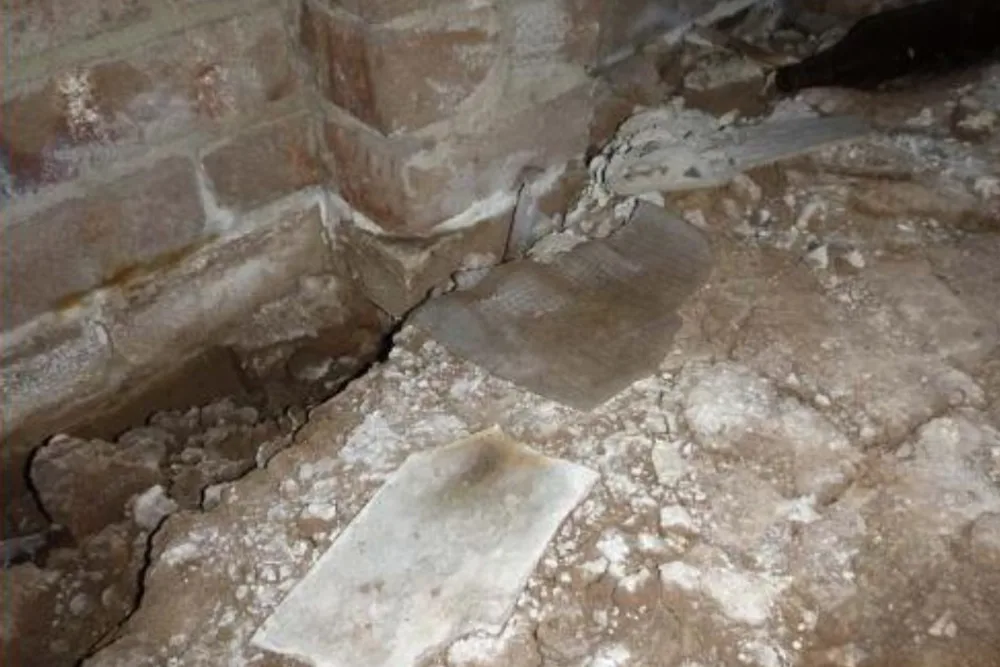
Clear debris from under the house — remove harbour and moisture traps
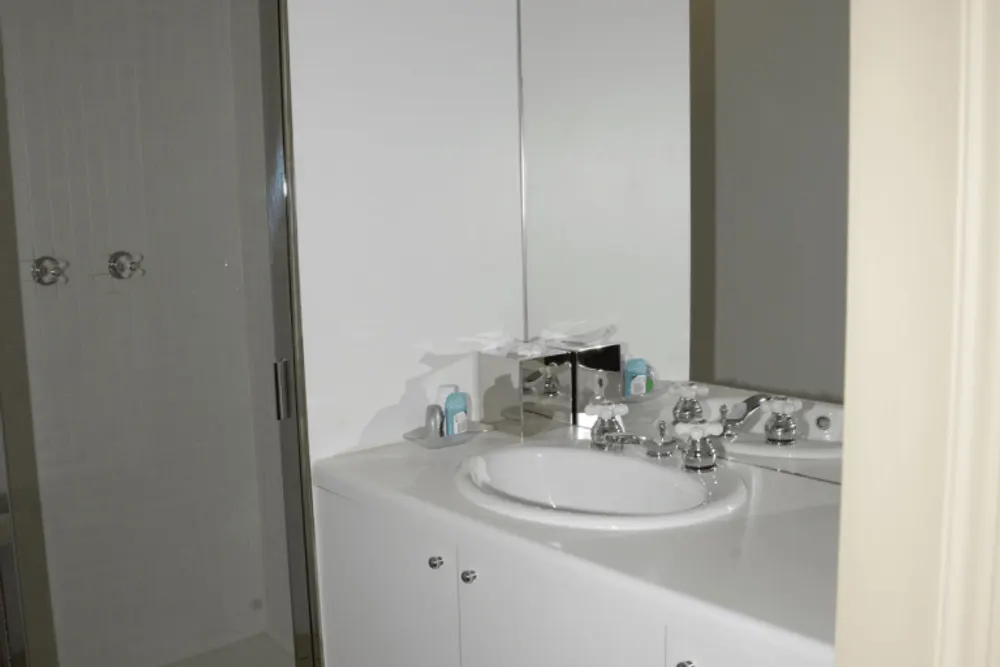
Control indoor wet areas — leaks feed conducive conditions
Barriers and baiting are tools used by licensed pest managers. Moisture control, physical separation, and inspections remain essential whether or not a barrier is present.