Active subterranean termite workings
MajorWhat you may see: Mud tubes, live insects, fresh mud packing, or clear workings in timber.
Risk: Ongoing loss of structural timber strength — urgent specialist follow-up.
Termites & timber pests
Termites feed on cellulose in timber quietly, often from the ground up. By the time you see surface clues, framing, floors, or joinery may already be compromised.
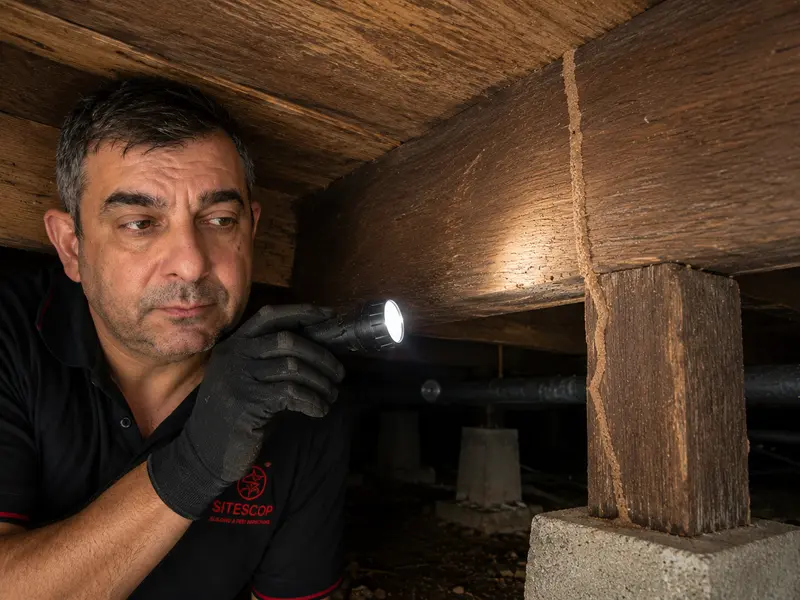
In Greater Sydney and much of NSW, subterranean termites are a real structural risk. They can travel from soil into the building through cracks, weep holes, garden beds against walls, bridging of ant caps, and timber touching the ground. A thorough timber pest inspection is how buyers and owners learn what is visible and accessible — before settlement or before damage becomes a crisis.
Expert inspection is how buyers and owners catch timber pest risk while they still have options.
Rated the way we discuss findings in reports — Major, Minor, Safety, or Further investigation.
What you may see: Mud tubes, live insects, fresh mud packing, or clear workings in timber.
Risk: Ongoing loss of structural timber strength — urgent specialist follow-up.
What you may see: Old galleries, hollowed timber, past repairs without a clear management history.
Risk: Structure may be weakened; may need engineering or pest management review.
What you may see: Damp subfloors, timber–soil contact, bridging of barriers, stored timber under the house.
Risk: Increases chance of future attack even if no live activity is found today.
What you may see: Locked voids, sealed cavities, unsafe roof or subfloor access.
Risk: Activity can hide where we cannot see — limitations must be clear in the report.
What lower-risk conditions tend to look like.
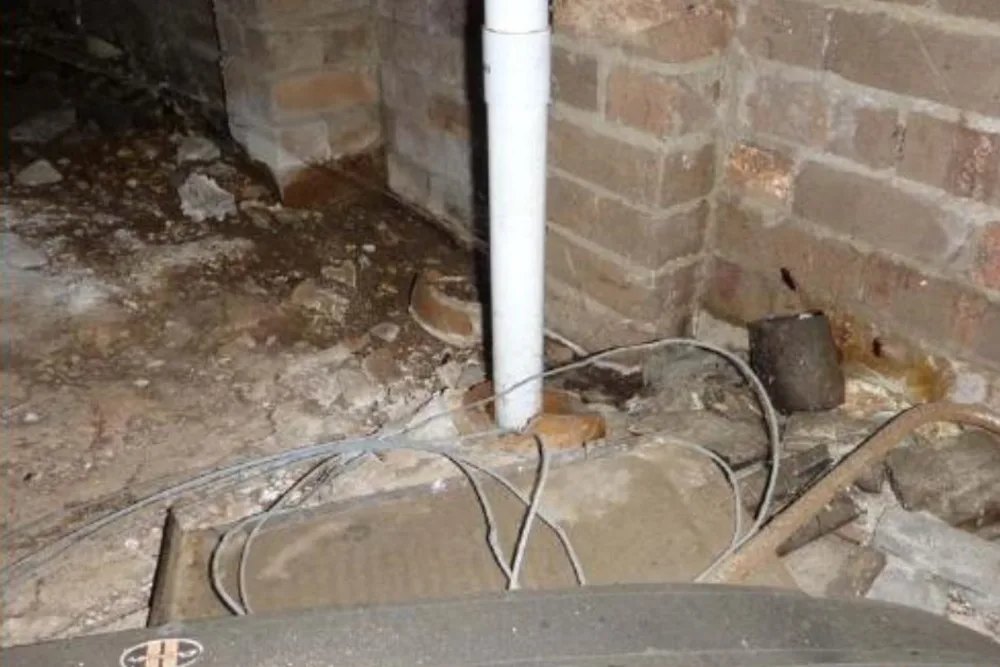
Ground-level voids and piers — common paths from soil into the structure
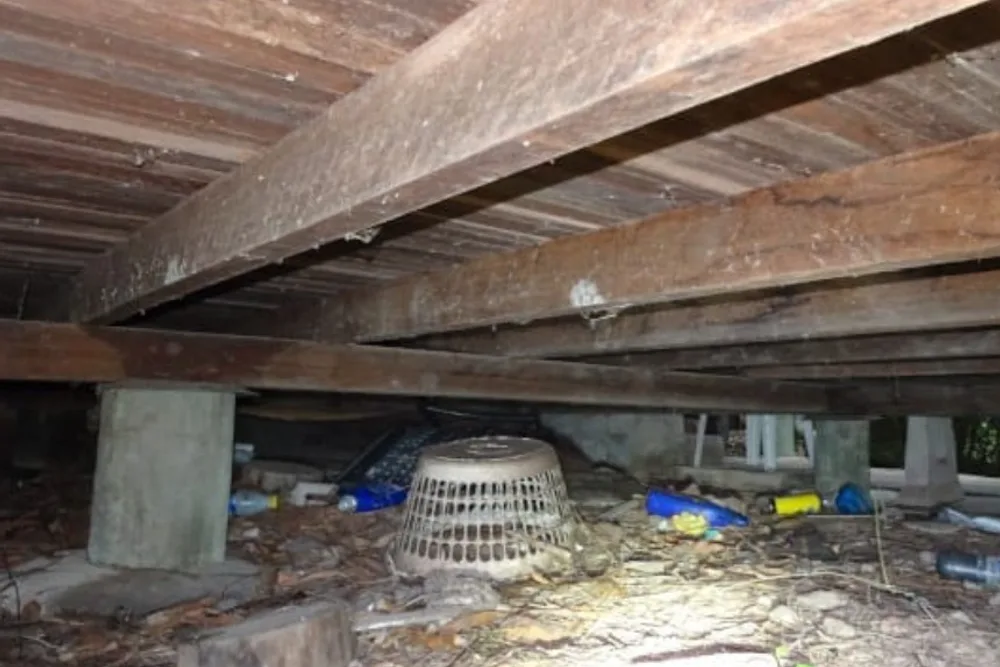
Timber framing over dirt — where moisture and timber pests often interact
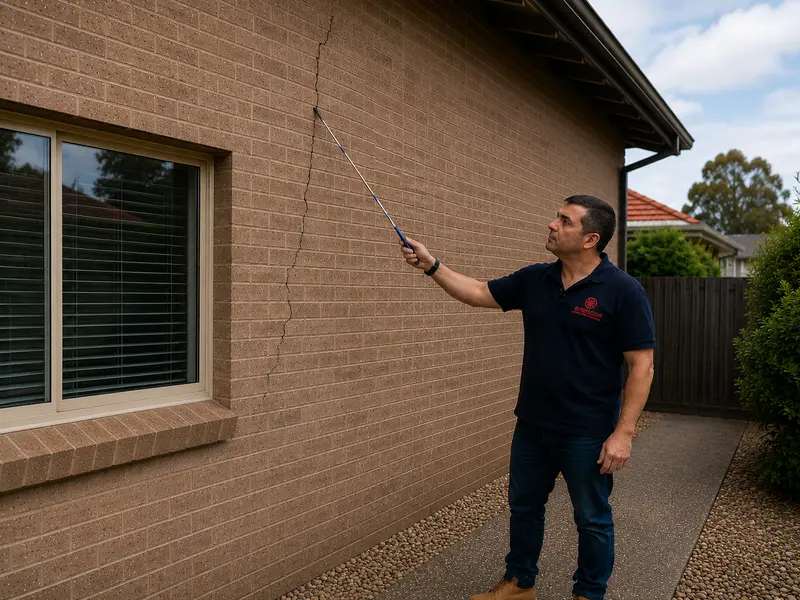
Combined building and pest focus protects both structure and timber
No. New and renovated homes can be at risk if moisture, landscaping, or construction details create pathways from soil into timber.
No responsible inspector can guarantee that. We report what is found in accessible areas and list limitations. Concealed activity can exist where access is restricted.