
Mud shelter tubes
MajorWhat you may see: Pencil-thick mud trails on foundations, piers, walls, or timber.
Risk: Strong indicator of subterranean termite foraging routes.
Termites & timber pests
Mud tubes, hollow-sounding timber, blistering paint, discarded wings, and unexplained timber damage are classic clues — but many infestations stay hidden until an inspector looks properly.
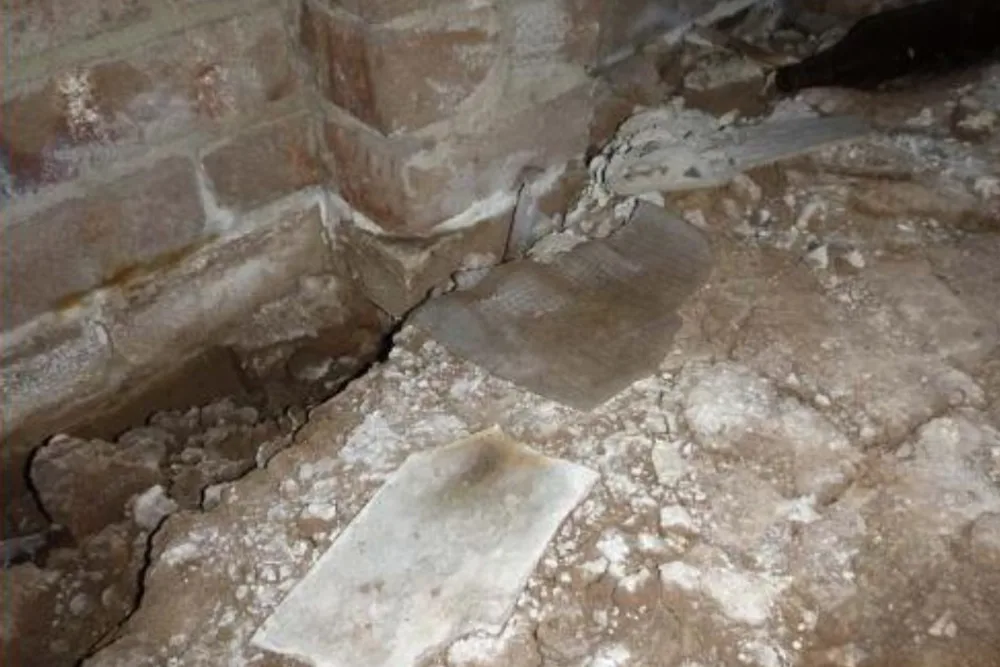
Homeowners often miss early signs because termites work inside timber and behind finishes. Knowing what to look for helps you request the right inspection early — and understand why a short walkthrough is not enough.
Expert inspection is how buyers and owners catch timber pest risk while they still have options.
Rated the way we discuss findings in reports — Major, Minor, Safety, or Further investigation.
What you may see: Pencil-thick mud trails on foundations, piers, walls, or timber.
Risk: Strong indicator of subterranean termite foraging routes.
What you may see: Timber that sounds hollow when tapped; thin surface skin over galleries.
Risk: Internal consumption of load-bearing or framing members.
What you may see: Raised paint films, soft spots, or uneven floors without a clear leak story.
Risk: May relate to moisture, pests, or both — needs professional assessment.
What you may see: Piles of wings near windows, light fittings, or spider webs.
Risk: Suggests a nearby colony — not proof of active damage inside your home, but a reason to inspect.
What you may see: Everything looks fine on a casual walkthrough.
Risk: Absence of obvious signs does not mean absence of risk — conducive conditions still matter.
What lower-risk conditions tend to look like.
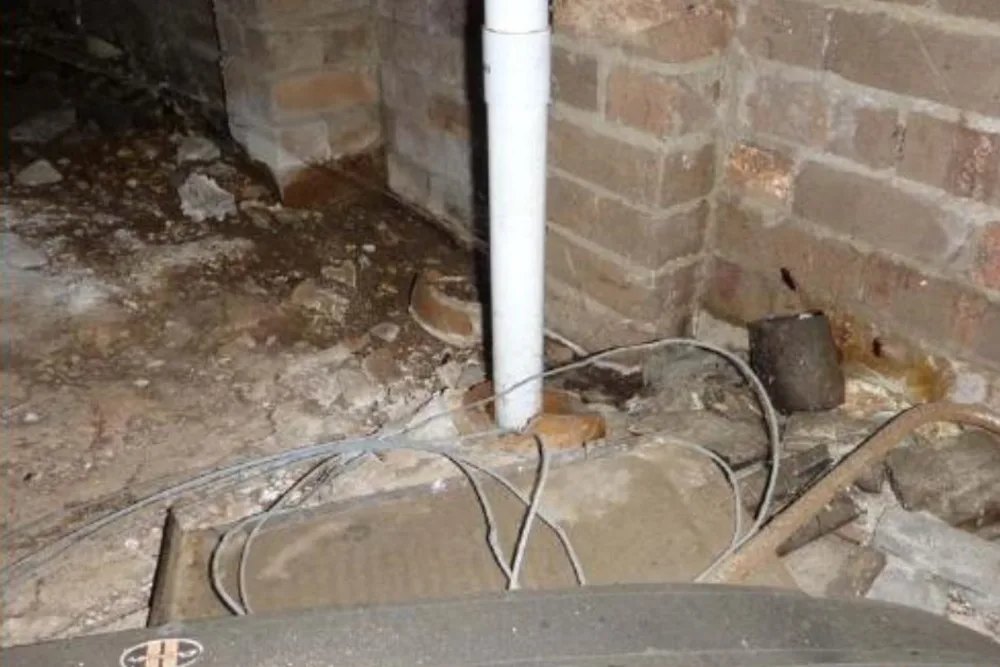
Dark voids and piers — mud tubes often run along foundations and services
Debris and rubble under floors can hide harbour and moisture
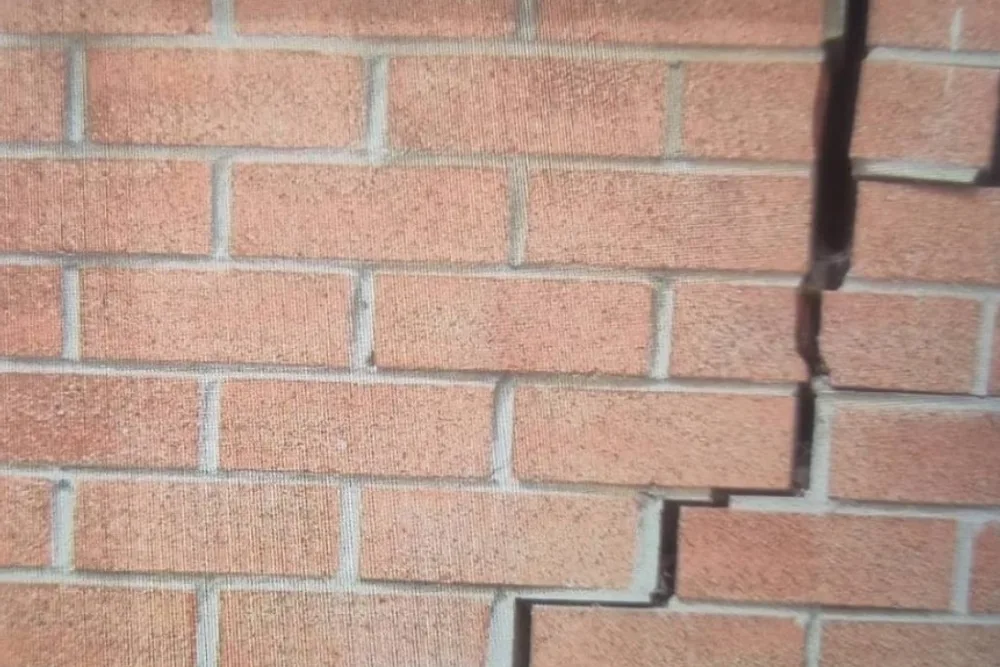
External cracks and junctions — possible entry paths from soil
Not necessarily. Tubes can be hidden, removed, or absent in some situations. Inspection of accessible structure and conducive conditions is still important.