
Concealed cavity activity
Further investigationWhat you may see: Thermal anomalies, hollow skirtings, soft architraves, unexplained buckling.
Risk: Framing damage may be advanced before it is obvious visually.
Termites & timber pests
Termites can travel inside wall cavities and along framing with little surface evidence until paint blisters, skirtings soften, or doors stick for no obvious reason.
Concealed wall activity is why thermal imaging, moisture checks, and experienced sounding matter. A cosmetic “looks fine” finish can hide serious framing loss.
Expert inspection is how buyers and owners catch timber pest risk while they still have options.
Rated the way we discuss findings in reports — Major, Minor, Safety, or Further investigation.
What you may see: Thermal anomalies, hollow skirtings, soft architraves, unexplained buckling.
Risk: Framing damage may be advanced before it is obvious visually.
What you may see: Mud trails or damaged timber near openings and junctions.
Risk: Direct routes from exterior soil into wall systems.
What you may see: Soil or paving above DPC; render bridging protective details.
Risk: Moisture and pest pathways against the wall base.
What lower-risk conditions tend to look like.
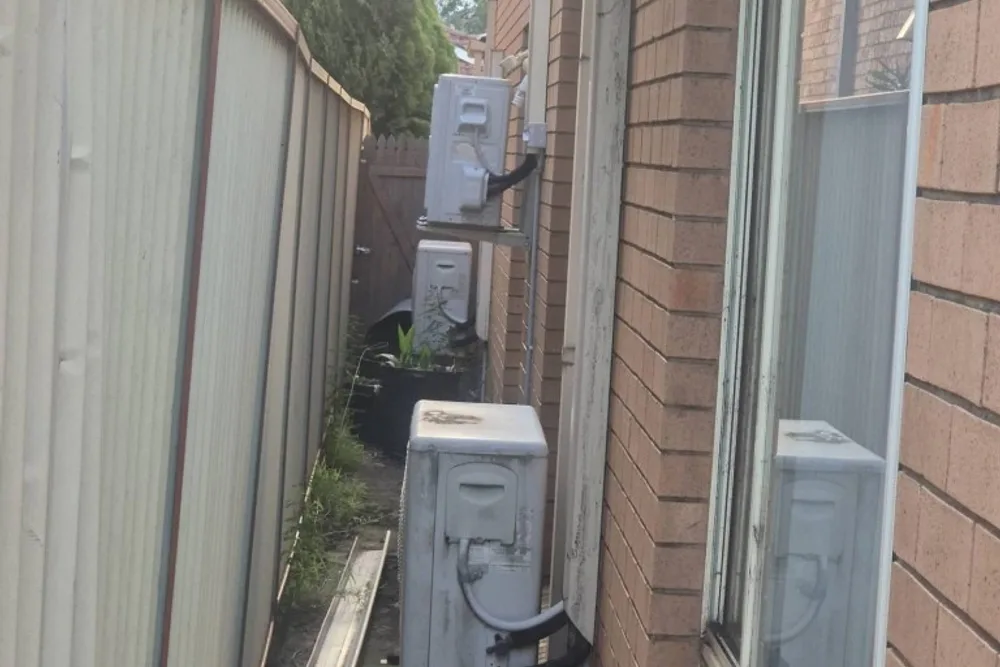
External walls and service runs — perimeter pathways into the building
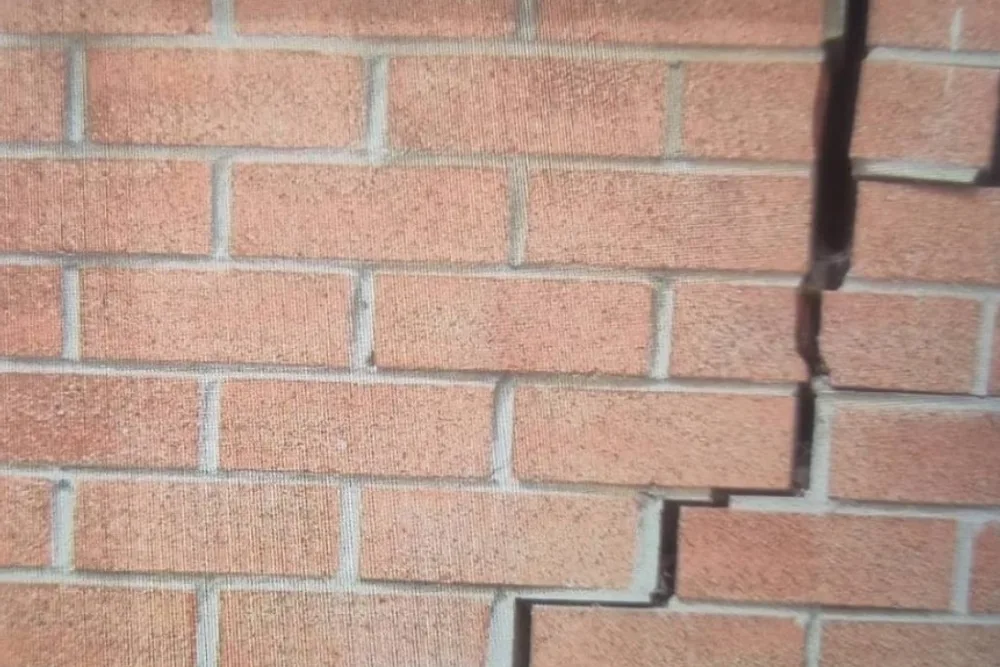
Masonry cracking — movement and junctions can create entry points
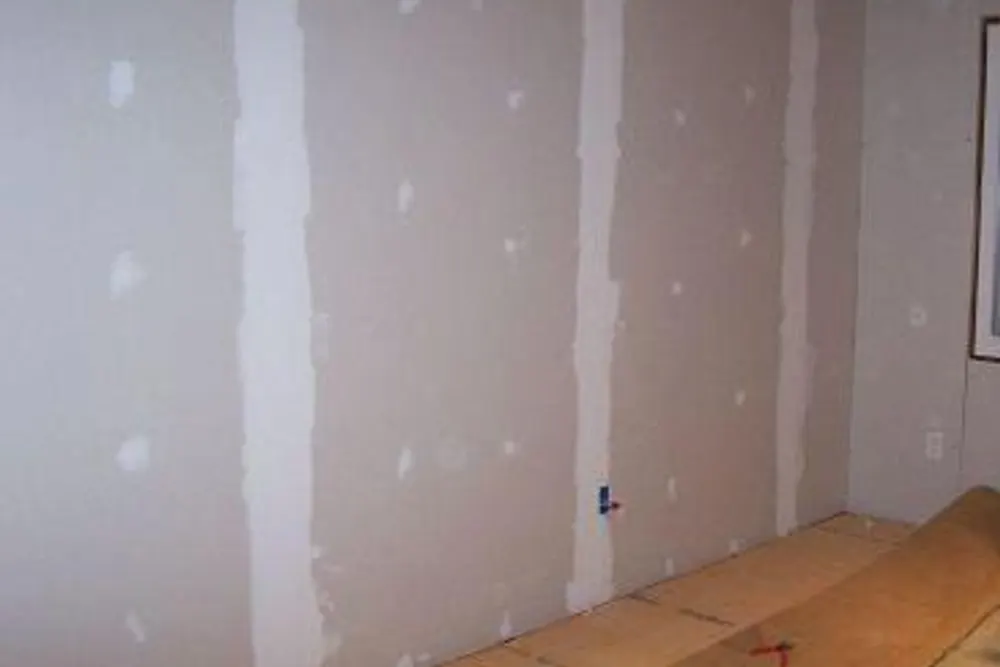
Internal linings conceal framing — inspectors use clues, not guesswork alone
Pre-purchase inspections are typically non-invasive. If findings justify invasive work, we recommend it clearly for you to arrange with appropriate trades.